


 GPro 100W
 GA 100W
 GM Pro 60W
 Reno 65W
 Reno 65W Pro
 Reno 45W

Laser Cutting & Engraving Fabric and Textile
8%
off
Hurry! Offer Ends Soon!
CODE: AUBLOG888
COPY
CODE
CODE
I. What types of fabrics are ideal for laser processing?
Fabrics (also known as textiles) are flexible materials, usually produced by weaving fibers together. The fibers can be natural, such as wool or cotton, or man-made, such as nylon or polyester. Almost all woven fabrics can be processed by laser cutting fabric, and many designers now explore laser cutting textiles and laser cutting fabrics for accuracy. Some fabrics, such as felt and wool, can also be processed by laser engraving and even engraving on fabric when needed. More advanced projects use laser cut fabric, laser cutting cloth, and laser cut textiles to achieve clean edges. For decoration, fabric laser etching, laser engraving cloth, and laser etched fabric provide more creative options.
Cotton

Cotton is a natural fabric, which means it is entirely derived from plant materials. Laser cutting machines process cotton by burning through the material. If the laser is too strong, the cutting edge of the cotton garment will turn brown or light yellow, just like the edge of a piece of paper is scorched.
You can use a laser cutter for cotton to make precise laser cutting cloth patterns, especially when shaping detailed holes or patterns. However, the laser will not finish the edge. Like any other cut edges on cotton fabrics, laser cut fabric edges may fray. It is a good idea to check for any exposed or unfinished cutting edges with a fray check.
Silk

Silk is a natural fiber that is more delicate than cotton. It is also an organic material, but much thinner than cotton. You can easily use laser cutting fabric machines on silk. Like cotton, it will not finish the edges, so you need to pay attention to fraying.
Although you can easily make complex designs on silk using laser textile cutting, the thinness of the fabric means that more complex designs are easier to tear. When you use a laser cutter to cut silk, use a lower setting and avoid small shapes to prevent damaging your laser cut textiles.
Felt
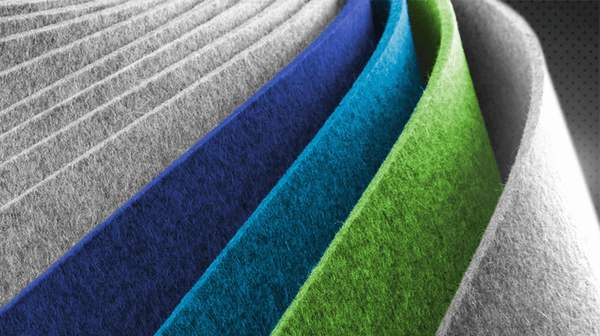
Felt is a very suitable fabric for laser cutting fabric because it is a thicker material and can be cut well. There are synthetic felts and natural felts (made from animal fibers such as wool). Either version can be used with a laser cutting cloth setup. Many creators also use fabric laser etching and laser engraving cloth on felt to add patterns.
The heat of the laser cutter will gently melt the edges of the cut in the synthetic felt. This melting can seal the cut and prevent future wear. The felt cut will stay fresh for the life of the garment. Natural fiber mats are also suitable for laser cutting textiles. The cutting edge does not require as many modifications as cotton or silk cutting.
Because it is too thick, felt is usually difficult to cut accurately with scissors or a rotating blade. Laser cutting fabrics solve this problem and open up new possibilities for using felt in creative projects.
Polyester
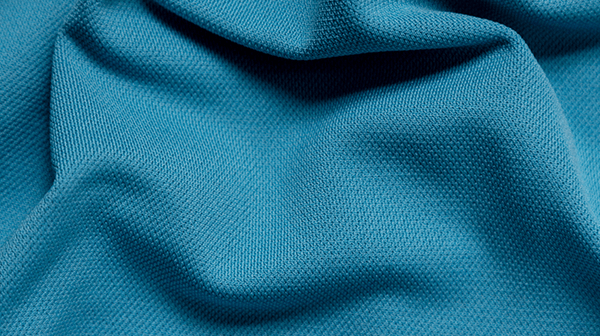
Polyester is an artificial fabric that can be used in conjunction with a laser cutting machine.
It is strong and has a thickness similar to cotton, but unlike cotton, the cutting edges will not fray. Many users prefer laser cutting textiles for polyester because the material reacts cleanly to heat.
The laser beam will melt the cut edge and mark it. Polyester is also great for laser engraving cloth, laser etching fabric, and even small detailed engraving on fabric due to its stability.
In conclusion, you can use a laser cutting fabric machine to cut almost all types of fabrics. Regardless of the fiber type, the laser can give you the same degree of control over cutting and design. However, the type of material you cut will affect the condition of the cut edges and what other steps you need to take.
Artificial fabrics, such as polyester or wool, melt when lightly struck by a laser, forming a darker shade of the current color. When cutting, the edges will melt together to prevent the fabric from fraying. Natural fabrics, such as cotton, will turn light brown or white when lightly irradiated with a laser. Since these fabrics will not melt, the edges will still fray when cut. Very thin fabrics, such as silk or chiffon, are not suitable for carving, but they are well cut using laser textile cutting or laser cutting cloth depending on the design.
Remember—any PVC (made of vinyl) cannot be used with a laser because it generates hydrochloric acid gas when cutting or engraving. This will corrode the inside of the laser and your lungs, so don't do this!
Ⅱ. Tips and tricks for laser cutting textiles and fabrics
Using a laser cutting fabric machine on the fabric requires more preparation than cutting a template or design with a blade. The trade-off is the speed and accuracy of the cut. Many fashion designers rely on laser cutting textiles, laser cutting fabrics, and laser cut textiles to get consistent results. In order to get the best cut every time, make sure to test fabric samples first and keep the fabric as flat as possible.
Follow the steps below to perform clean laser cutting every time.
Check the fiber content of the material
The first step is the most important. Checking your fiber content will help you avoid PVC and set it up correctly. Fiber content will also affect your design. You can make more complex patterns on synthetic fibers, so knowing your fiber content will help you plan your laser cutting cloth designs better. For decorative work, you may include laser etched fabric or fabric laser etching depending on the material.
Make sure the fabric is flat
After choosing the fabric and understanding the fiber content, you need to decide where to put the design. For the finished garment, it may be helpful to mark its location to imagine how the design will hang. When you cut or sculpt fabric that has not yet been sewn, you have more leeway. Either way, make sure to lay the fabric as flat as possible on the cutting surface. If the material is wrinkled or dirty, wash and iron it first. Flat material ensures clean laser cutting textiles and prevents distortion.
Test your parameter settings
Before cutting the project, test your settings on scrap pieces of the same material. The test run prevents errors. It also helps secure the fabric properly so the compressed air does not disturb the material. Tape or strong magnets work well. When you run the test structure, you can test which method prevents slipping, especially when doing engraving on fabric or laser etching fabric.
Import your design
When you are satisfied with the settings, you can follow the instructions of the machine to import the cutting design you want. Whether it is making lace patterns, cutting garments or making personalized engravings, please make sure that your cutting files are compatible with your machine. A second test cut helps ensure clean results when doing laser cut fabric, laser cutting cloth, or laser engraving cloth.
Fix your project
When your setup and design are ready, place your project fabric on the cutting surface and secure it. Then let the machine handle the rest as it performs smooth laser cutting fabrics or detailed fabric laser etching.
Frequently Asked Questions (FAQs)
Q1: What fabrics can I use for laser cutting fabric?
A: Almost all woven fabrics like cotton, felt, silk, and polyester can be used. Avoid PVC. Many fabrics also work well for laser cut textiles and laser etching fabric.
Q2: Will laser cutting fabric fray the edges?
A: Natural fabrics like cotton and silk may fray, while synthetic fabrics often seal as they are cut.
Q3: How do I prepare fabric for laser cutting fabric?
A: Ensure it’s clean, flat, and test a sample first.
Q4: Can I create complex patterns with laser cutting fabric?
A: Yes, intricate designs are possible, especially on synthetic fibers that don’t fray. It also helps when doing engraving on fabric.
Q5: Is laser cutting fabric faster than traditional cutting?
A: Yes, it provides precision and speed, reducing manual errors and improving accuracy. This applies to both laser cutting textiles and laser engraved fabric projects.
Ⅲ. Typical applications of laser processing of fabric
Laser fabric cutting is an exciting technology that can beautify your textile project. Whether you use laser cutting textiles, laser cut fabric, or laser cutting cloth, the results are clean and professional. It also allows more advanced work like laser engraving cloth, laser etching fabric, and engraving on fabric that would be difficult by hand.
- Fashion and clothing
- Digital engraving-clothing( Sportswear, twill, banners, flags)
- Plush toys
- Household items: Curtains, sofas, pillow
- Floor coverings: Carpets and mats
- Large objects: Parachutes, tents, sails, aviation carpets
Have you ever used a laser cutter? Tell us your favorite laser cutting technology in the comments below!
Laser cutting fabric has transformed the way designers and hobbyists approach textile projects. From natural fabrics like cotton and silk to synthetic options like polyester and felt, this technology allows precise and efficient cutting that traditional tools cannot achieve. With laser cutting textiles and laser cutting fabrics, results are more consistent. You can also add decorative touches through laser etched fabric, fabric laser etching, or laser engraved fabric.
Use AUBLOG888 at checkout for exclusive discounts! – Click here to shop now!


Leave a comment